Why Bread Rises
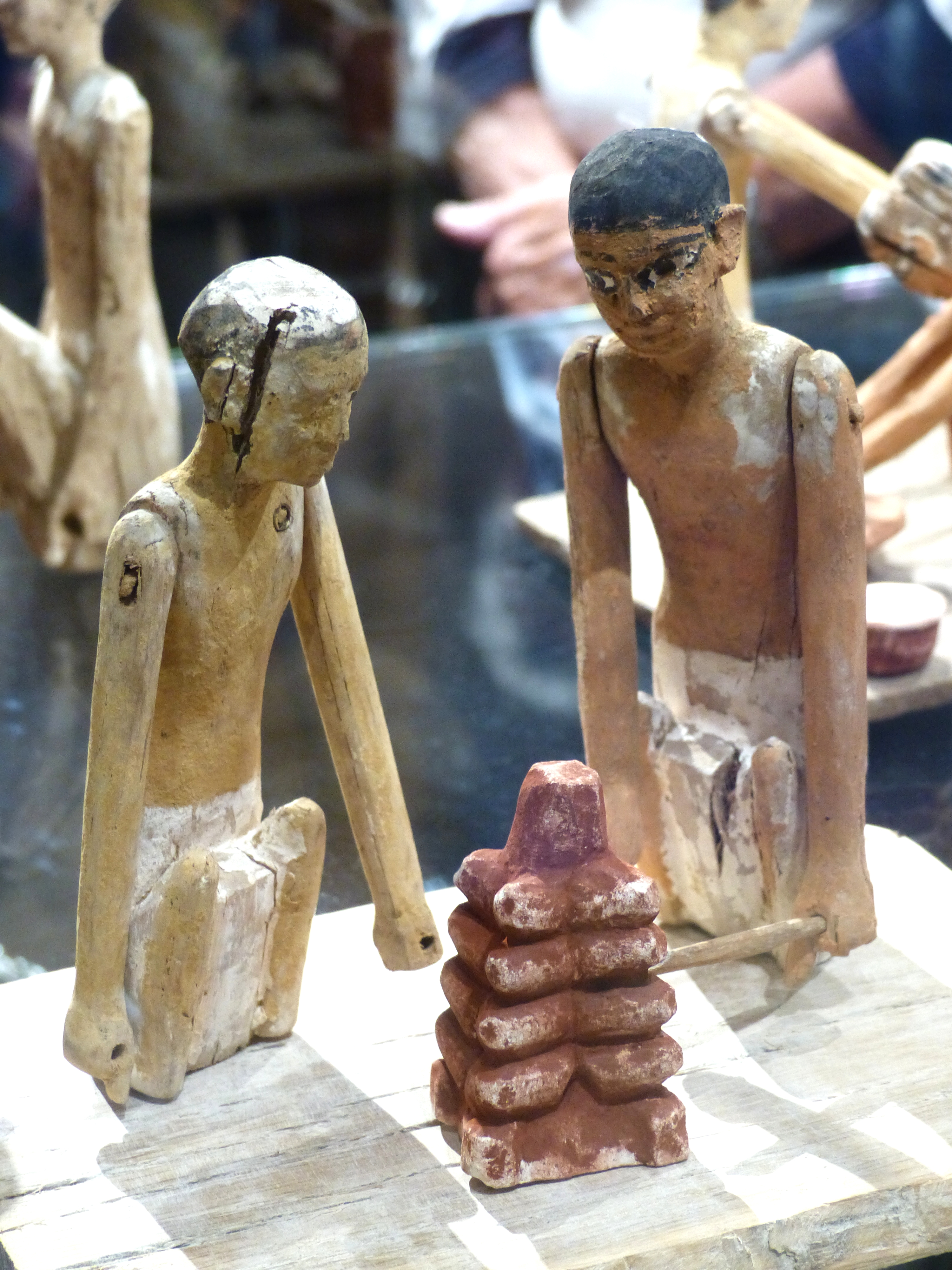
Bread starts as a soft mix of flour and water called dough. At first, the dough is small and flat. Then, over time, it grows bigger and rounder. Bakers call this rising. Why does dough rise? The answer is a small living thing called yeast. Yeast is a kind of fungus. It is too small to see. People in ancient Egypt were among the first to bake bread with yeast, long before they understood how it worked. Today, when a baker mixes yeast into dough, scientists can explain exactly what happens inside.
Yeast needs food, and its favorite food is sugar. Flour already has some natural sugar in it, so yeast can start eating right away. Bakers also add extra sugar sometimes to help this happen faster. When yeast eats sugar, it makes a gas called carbon dioxide. This is called fermentation. The gas cannot leave the dough quickly, so it stays inside as small bubbles. Dough also has a stretchy part called gluten, which forms when flour mixes with water. Gluten works like a net and holds the gas bubbles in place. As more bubbles form, the dough slowly gets bigger and lighter, just like a balloon filling with air.
Time and warmth make a big difference too. In a warm kitchen, yeast works fast, and the dough rises in one or two hours. In a cold room, yeast works slowly, and rising can take all night. Many home bakers put the dough in a closed, turned-off oven to keep it warm. Many bakers let dough rise slowly in the fridge because it gives the bread a better taste. This slow rise also makes the bread's flavor stronger. Bakers often let dough rise twice: once before they shape it, and again after. This second rise makes the bread even softer inside.
Finally, the dough goes into a hot oven. The heat kills the yeast and stops fermentation. But before that happens, the heat makes the gas bubbles expand one last time. This is called oven spring. The gluten net becomes hard and holds the bread's shape forever. The crust also turns golden brown in the oven's heat. That is why finished bread is light, soft, and full of small holes. Next time you eat a slice of bread, remember this. It rose because millions of tiny living cells were working quietly inside it. Simple flour and water became something delicious.
Vocabulary
- dough
- a soft, wet mix of flour and water that is used to make bread or cakes — She mixed the dough for ten minutes before leaving it to rest.
- yeast
- a very small living thing that bakers put into bread to make it rise — The recipe needed two teaspoons of yeast.
- fungus
- a small living thing, like a mushroom, that is not a plant or an animal — Mushrooms are a common type of fungus that grows in forests.
- ancient
- from a time very long ago in history — The pyramids in Egypt are ancient buildings.
- carbon dioxide
- a gas with no color or smell that people and animals breathe out — Plants take in carbon dioxide from the air to grow.
- fermentation
- a process in which yeast changes sugar into gas and other things — Fermentation is also used to make cheese and yogurt.
- gluten
- a stretchy substance in flour that helps dough hold its shape — Bread with a lot of gluten feels chewy and stretchy.
- stretchy
- able to become longer or bigger and then go back to its old shape — The old sweater was very stretchy and comfortable.
- expand
- to become bigger in size — Metal pipes can expand when the weather is very hot.
- oven spring
- the fast growth in size of dough during the first minutes in a hot oven — Good oven spring gives the finished bread a tall, light shape.